Recital at The Shevchenko Scientific Society

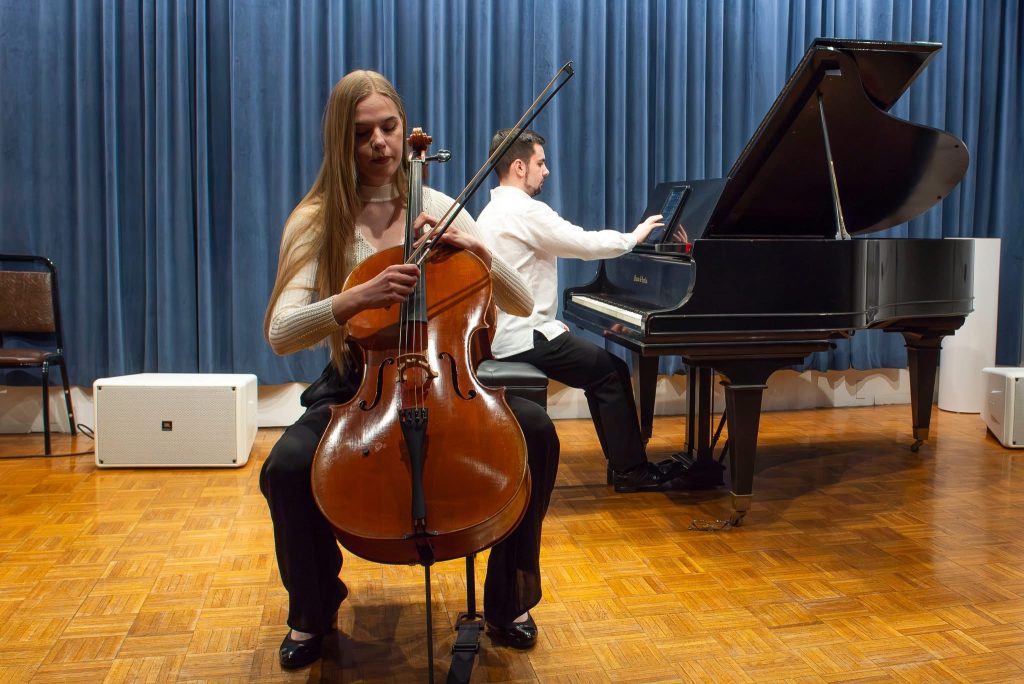
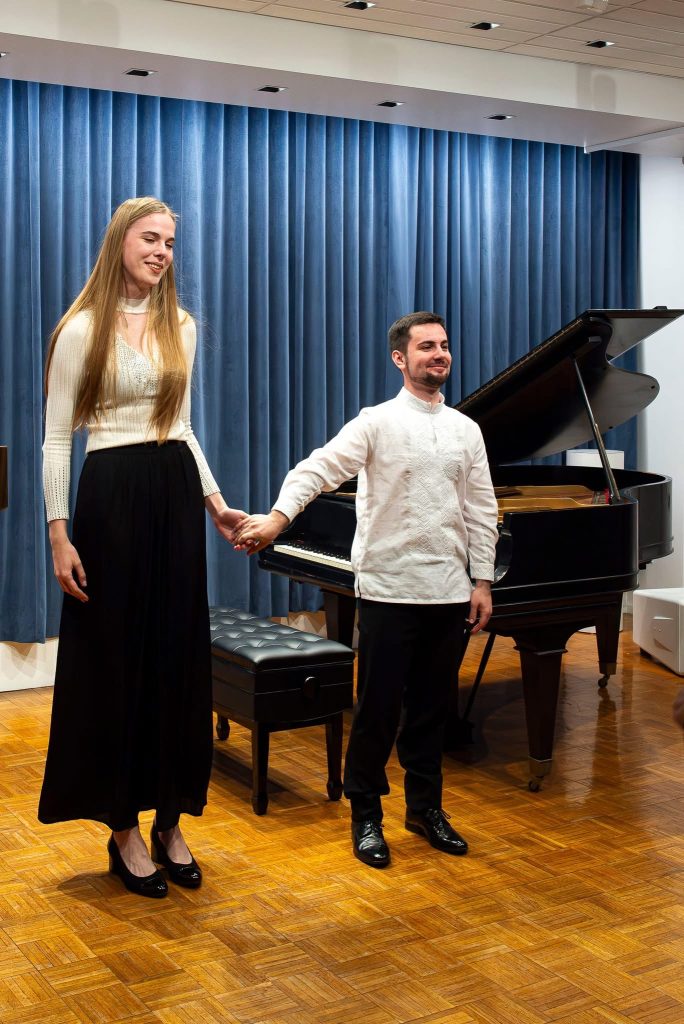
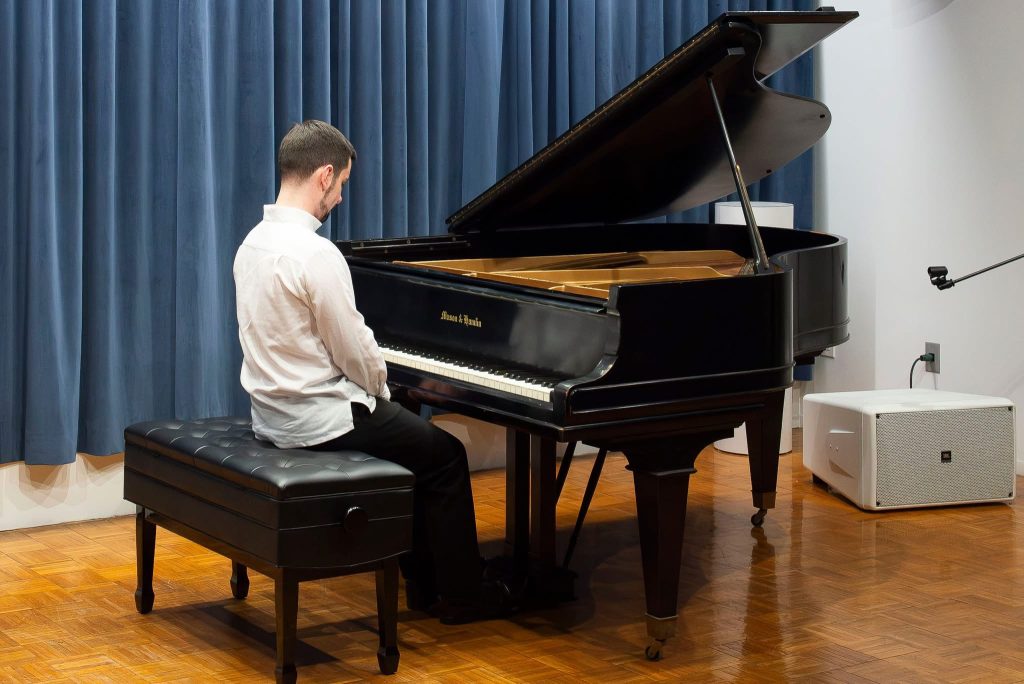
The concert at the Shevchenko Hall was presented in collaboration with a cellist Marianna Zmiievska (Ukraine), whose artistic contribution played a central role in shaping the overall concept of the program. The performance was built around dialogue and mutual musical responsibility rather than a soloistic display.

The program explored contrasts of texture, character, and form, requiring close coordination and shared interpretative decisions. Particular attention was given to ensemble balance, phrasing, and structural clarity.

This concert reflected an active stage of collaborative work and artistic exchange, emphasizing precision, listening, and a shared musical direction.
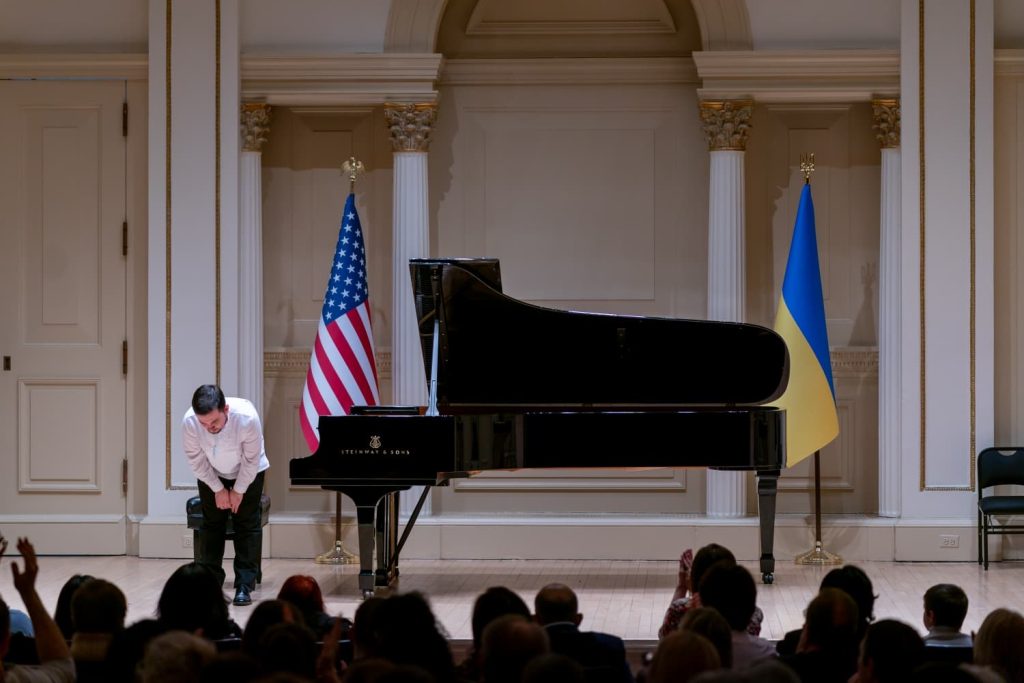
Carnegie Hall Recital

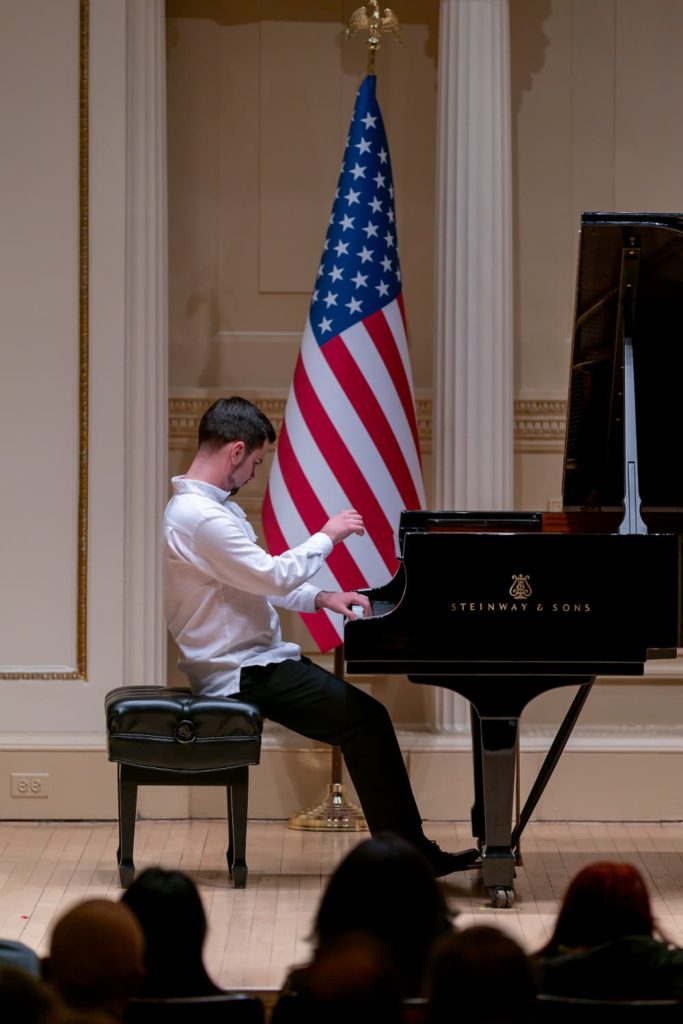
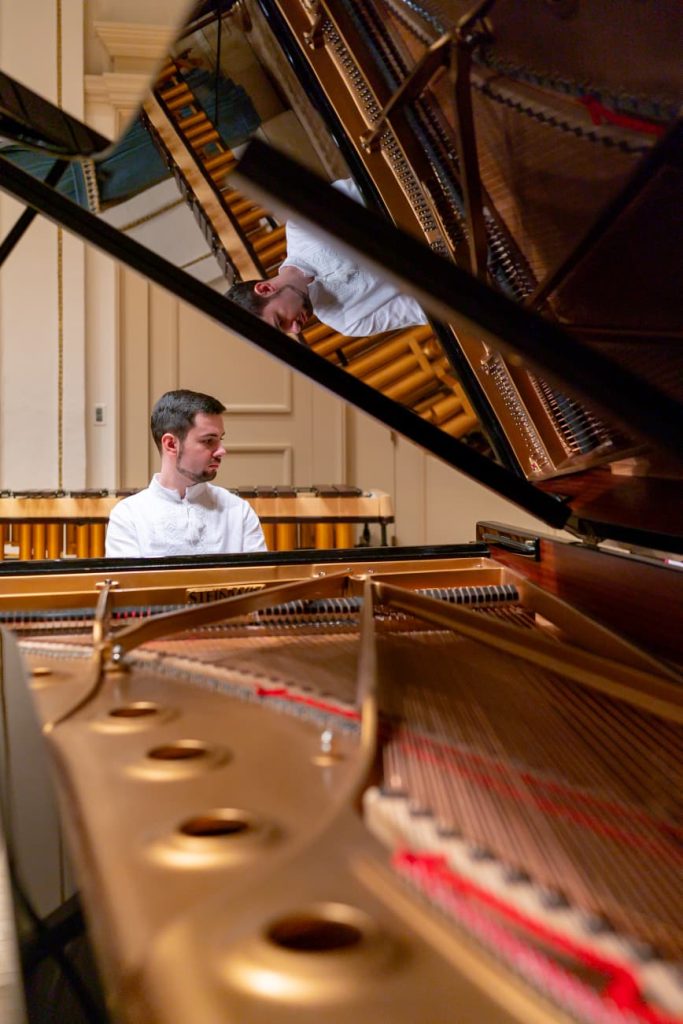
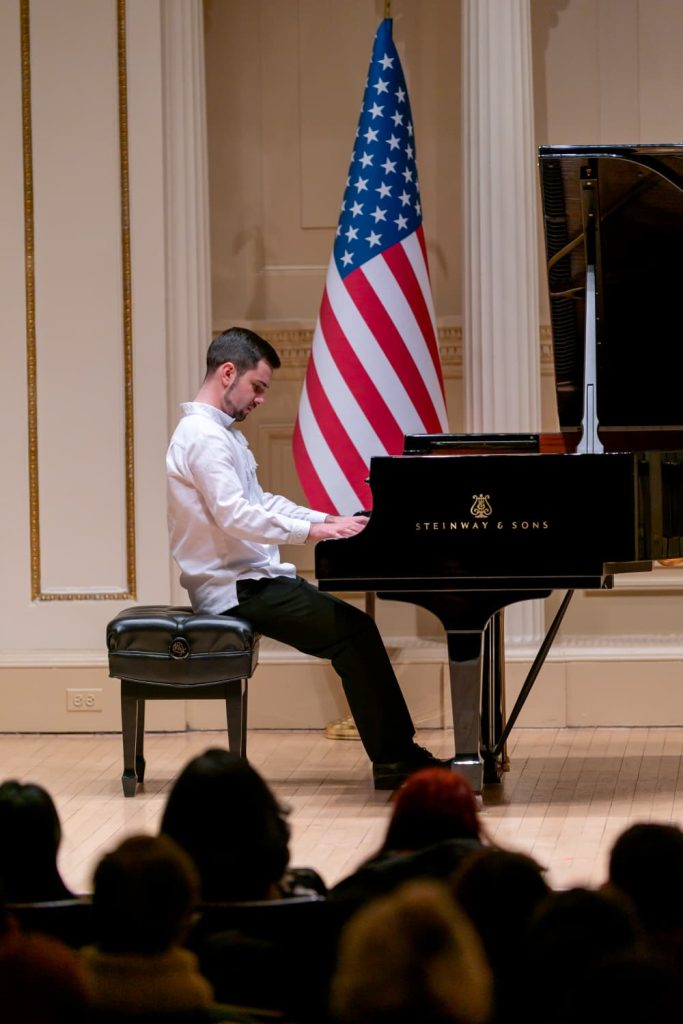
On January 16, I performed a solo piano recital at Carnegie Hall in New York. This appearance represented an important professional milestone and a significant moment in my artistic development.

The program consisted of solo piano works from the Romantic and early twentieth-century repertoire, focusing on music that combines structural clarity, expressive depth, and stylistic integrity. The selection reflected my long-term artistic interests and approach to interpretation.

Performing at Carnegie Hall, a venue with exceptional acoustic qualities and a distinguished musical legacy, was both a responsibility and a valuable artistic experience. I am grateful for the opportunity to present my work in such a context and for the support of everyone who contributed to this performance.

Master’s degree

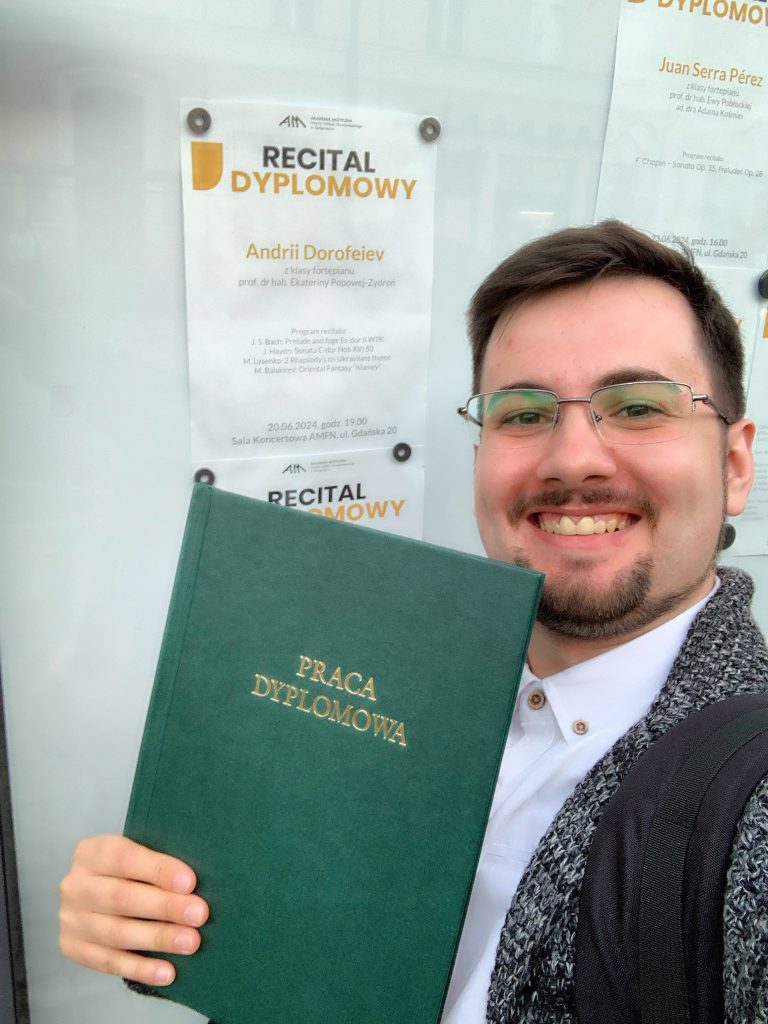
I am pleased to share an important academic milestone — I have successfully defended my Master’s degree.

The title of my Master’s thesis is: “Folk Themes in Mykola Lysenko’s Works: The Case of the Composer’s Two Rhapsodies on Ukrainian Themes, Op. 8 and Op. 18.” The thesis focuses on the role of folk music in Mykola Lysenko’s compositional language, with particular attention given to his two Rhapsodies on Ukrainian Themes. The research explores how deeply Ukrainian folk traditions are embedded in Lysenko’s musical thinking and how they shape both the form and expressive character of these works.

“Mr. Dorofeiev has demonstrated extensive knowledge of the subject and a strong command of the topic. The work is based on a thorough and well-structured analysis, which convincingly confirms the stated thesis and clearly demonstrates how deeply rooted folk music was in the compositional output of Mykola Lysenko.”

Bachelor’s degree

Officially – Bachelor!

Graduate work: “Application of the concert etude form in Ukrainian piano literature on the example of three etudes op. 8 by Viktor Kosenko” was successfully defended.

“The work provides a lot of knowledge on this issue and in this aspect it can be considered innovative. The author has extensive knowledge of the above topics.”

dr hab Katarzyna Popowa-Zydron

“Among the available sources of Polish musical literature, an interesting subject of research is the topic of a Ukrainian concert etude by Viktor Kosenko, in which the author’s own observations on performance issues are presented.”

dr hab Malgorzata Furhe-Yurczyk.

Ist stage on the Ist International Piano competition of the polish music name by S. Moniuszko in Rzeszow

Annotation

In the first stage of the competition Andrii played a program of the most interesting composers of the Polish romantic era. It’s was be: K. Szymanowski, T. Leszetycki, F. Chopin and L. Godowsky. Concert was have a great success and more of the jury noted in interpretation a so much a good think.


Reportage on the TV channel – TVP3 Rzeszow